
Loading…
Some guy I ran into outside of the grocery store had 70mm slicks on his bike and we got chatting. He attempted to convince me that wider tires were simply faster all the time. I think he had just rolled in from the alternate universe that Jan Heine inhabits where wider = faster and handlebar bags = aero.
His rantings prompted me to dig and finally find the BRR study that shows that wider tires do not roll faster than skinny ones:
"If you want to go as fast as possible, choose your required comfort level and pick the smallest tire that can provide that comfort for you."
https://www.bicyclerollingresistance.com/specials/grand-prix-5000-comparison
This confirms my own intuition when riding various tires from 28-40 mm on the same bike over the past years. Gravel racers also tend to run the skinniest tire they can get away with for the terrain. On races with a lot of % road like BWR California they will run cyclocross widths or even less. Just look at Gravel Worlds where the podium was made up of guys on road bikes and 33/35 mm tires.
All the results I've seen on BRR confirm this, with most gravel tires significantly slower than road. The only exception is paper thin extralight casing wide tires, but they are the equivalent of a road TT tire, not really usable for normal riding.
I think the problem with wide tires that no one mentions is the fact that the contact patch is bigger. You can corner on rails with 40mm tires, but I think that's part of why they roll slower. You have more sticky rubber interfacing with the pavement.
Leonard Zinn talks about how TT courses are really fast when a bit wet, and I think this is again the same phenomenon. The fact that the tire is not sticking to the road makes cornering quite sketchy but also allows much faster speed in the straights:
"Yes, a film of water on the road reduces rolling resistance. This is something that has been understood by time trialists for a long time."
https://www.velonews.com/gear/technical-qa-with-lennard-zinn-rolling-resistance/
If wide tires rolled as well as people say, we'd see them in the pro peloton in events like Paris Roubaix. Someone would use the marginal gains and run them. You'd get guys on endurance/gravel bikes with 35+ mm tires. But you don't ever see that.
As my understanding goes, tire speed depends on 3 factors:
Rolling Resistance
Vibration loses
Aerodynamics
Each time the tire encounter an irregularity in the pavement, it loses forward momentum to bounce up and down. The larger the tire the less it will lose for this effect. Rolling resistance (when normalized for pressure) varies very little, and aerodynamics also varies little and at higher speeds. Wider tires also provide more comfort, cornering, braking and general safety, that I think will matter way more than those marginal gains for riding in the real world.
I think the tarmac in my city is great to drive with my sedan, but with 700x23 it varies from annoying to almost impossible to ride, you start to notice all the imperfections. I'm sure larger tires are better and faster for this use, and I think this should apply for a lot of people, probably the majority. If you are blessed with only perfect roads, than narrower tires may still make sense.
psi wrote:If wide tires rolled as well as people say, we'd see them in the pro peloton in events like Paris Roubaix. Someone would use the marginal gains and run them. You'd get guys on endurance/gravel bikes with 35+ mm tires. But you don't ever see that.
I've been hearing this since 23 were the only option (with some people claiming that the old 700x19 were better), and 25 started to appear. People seems to forget that Paris–Roubaix is a sadistic event were they have 80% really great tarmac, and 20% cobblestones, and force the riders to use a bike that's fast on the tarmac (or they lose), and than ride precariously and dangerously in the cobbles, with lots of accidents.
The UCI "Gravel" World Championships had relatively good pavement, and the winner used 33 in the front and 35 in the rear. Lots of riders used 38. And they also used Road Bikes (that can take these tires nowadays), so I think the line between Road and Gravel will get really hard to drawn in a near future. Right now a lot of Road Bikes are coming with 700x32, and we have Road Bikes that officially supports 38.
Wider tires are a trend that will still grow, and won't revert back. To not say never, maybe when we have technology for a light and great full suspension system in road bikes, or the majority of the pavements in the world becomes really smooth.
v.gcl wrote:Each time the tire encounter an irregularity in the pavement, it loses forward momentum to bounce up and down. The larger the tire the less it will lose for this effect. Rolling resistance (when normalized for pressure) varies very little, and aerodynamics also varies little and at higher speeds. Wider tires also provide more comfort, cornering, braking and general safety, that I think will matter way more than those marginal gains for riding in the real world.
I think the tarmac in my city is great to drive with my sedan, but with 700x23 it varies from annoying to almost impossible to ride, you start to notice all the imperfections. I'm sure larger tires are better and faster for this use, and I think this should apply for a lot of people, probably the majority. If you are blessed with only perfect roads, than narrower tires may still make sense.
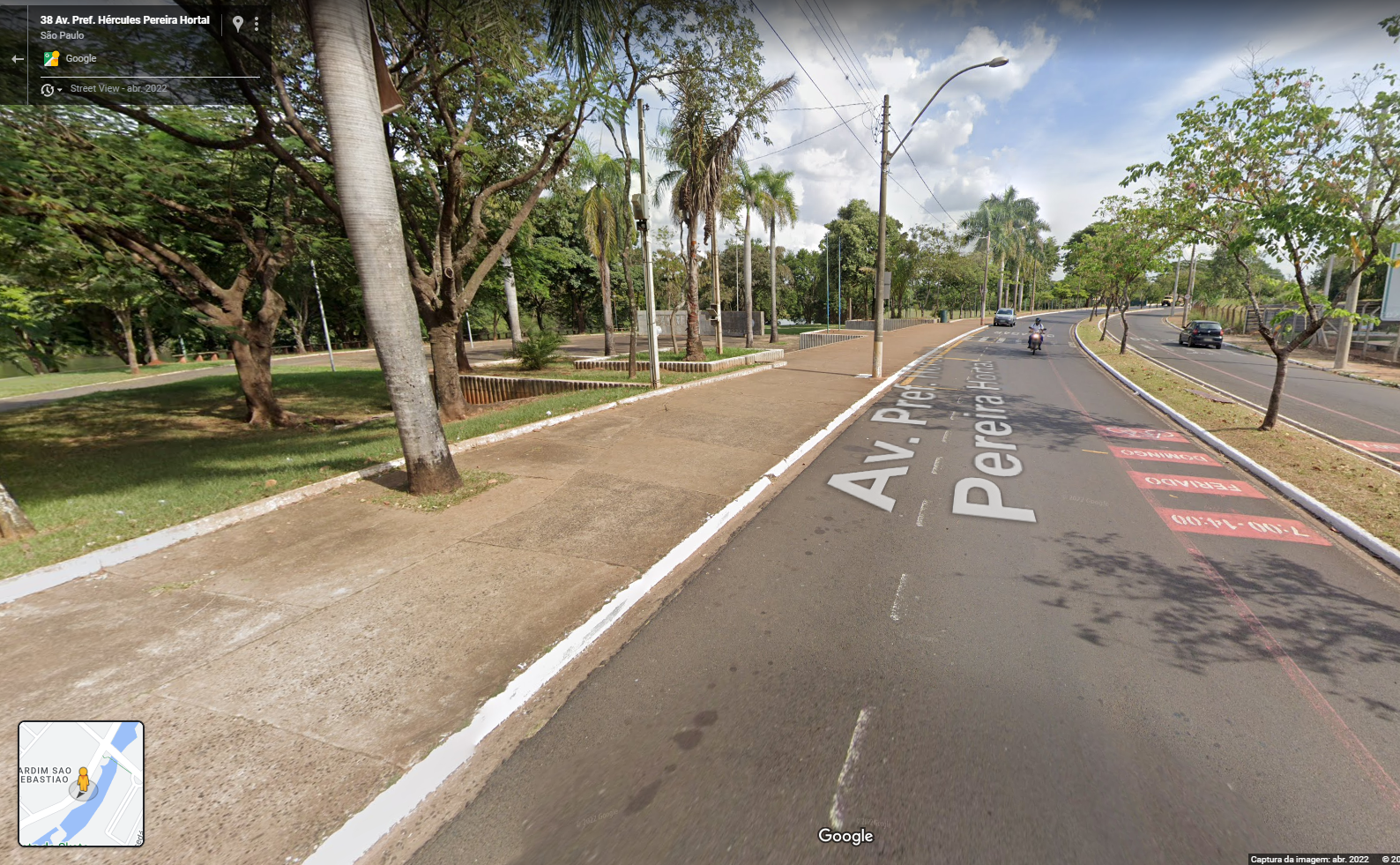
To illustrate, my city have really great places to ride, like this one, were narrower tires are ok and probably a little faster.

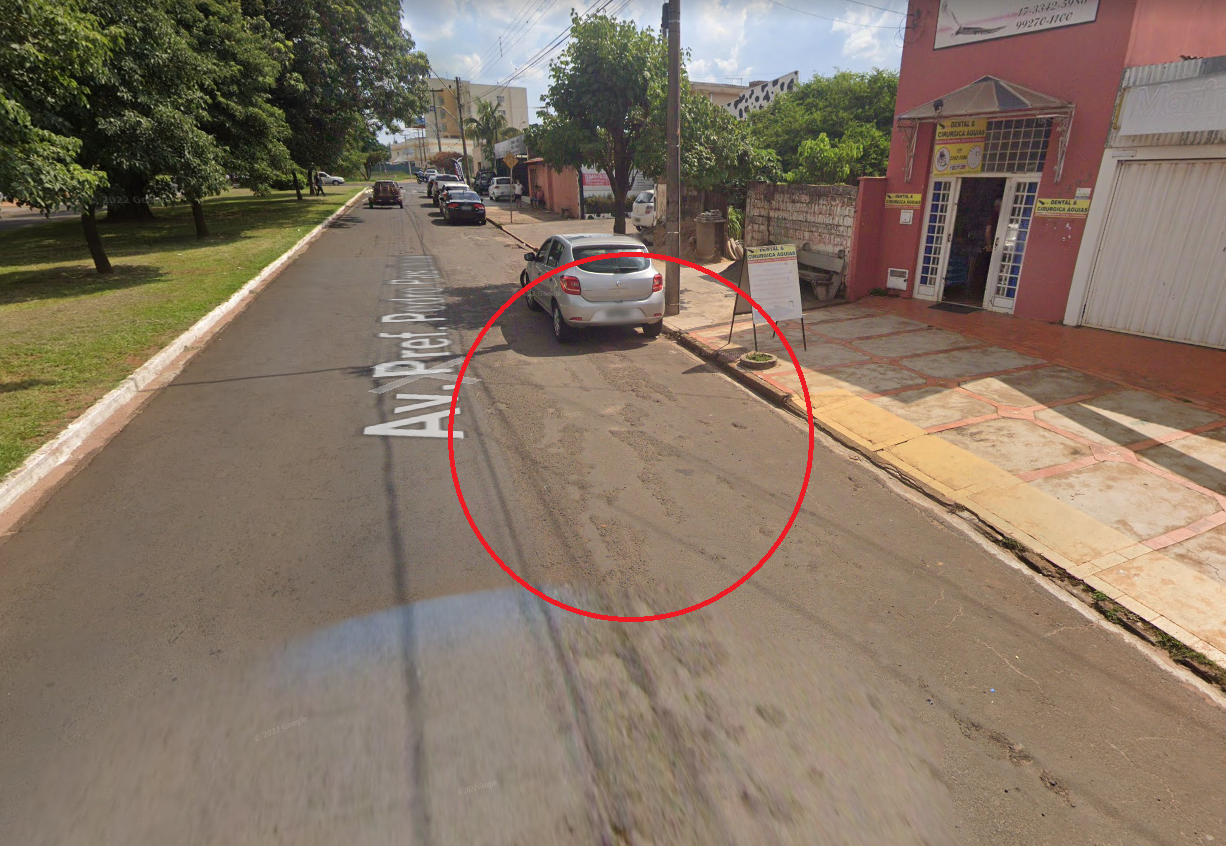
But also have sectors with small imperfections that don't look like much, but my ass and hands felt all of these bumps with 700x23 for a few years. They are really harsh with narrower tires and certainly faster with wider ones.

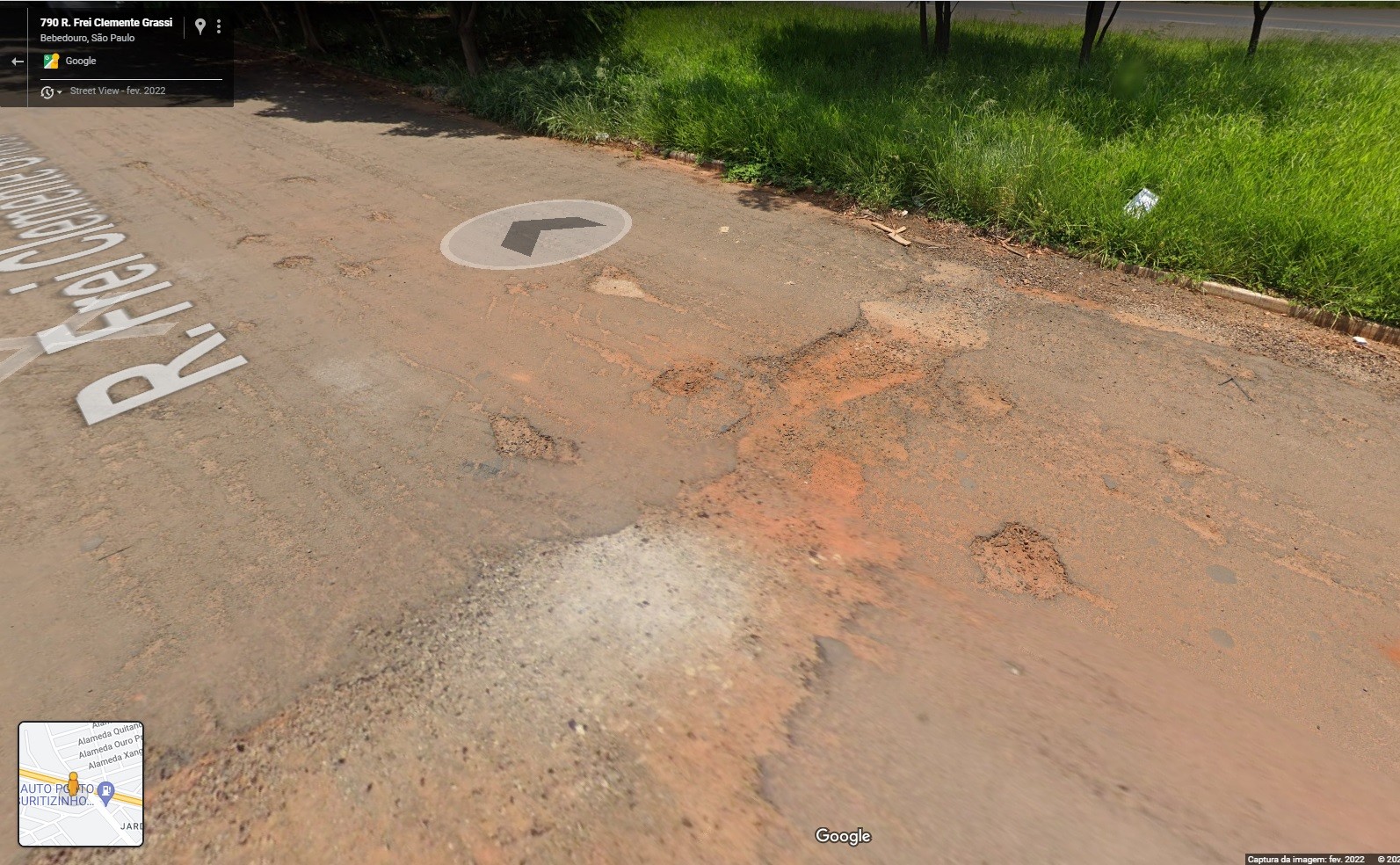
And really crap sectors, that I don't train in them, but need to cross to complete certain circuits or to get to certain places. Wider tires won't be ideal for this, but allow me to cross them with dignity.

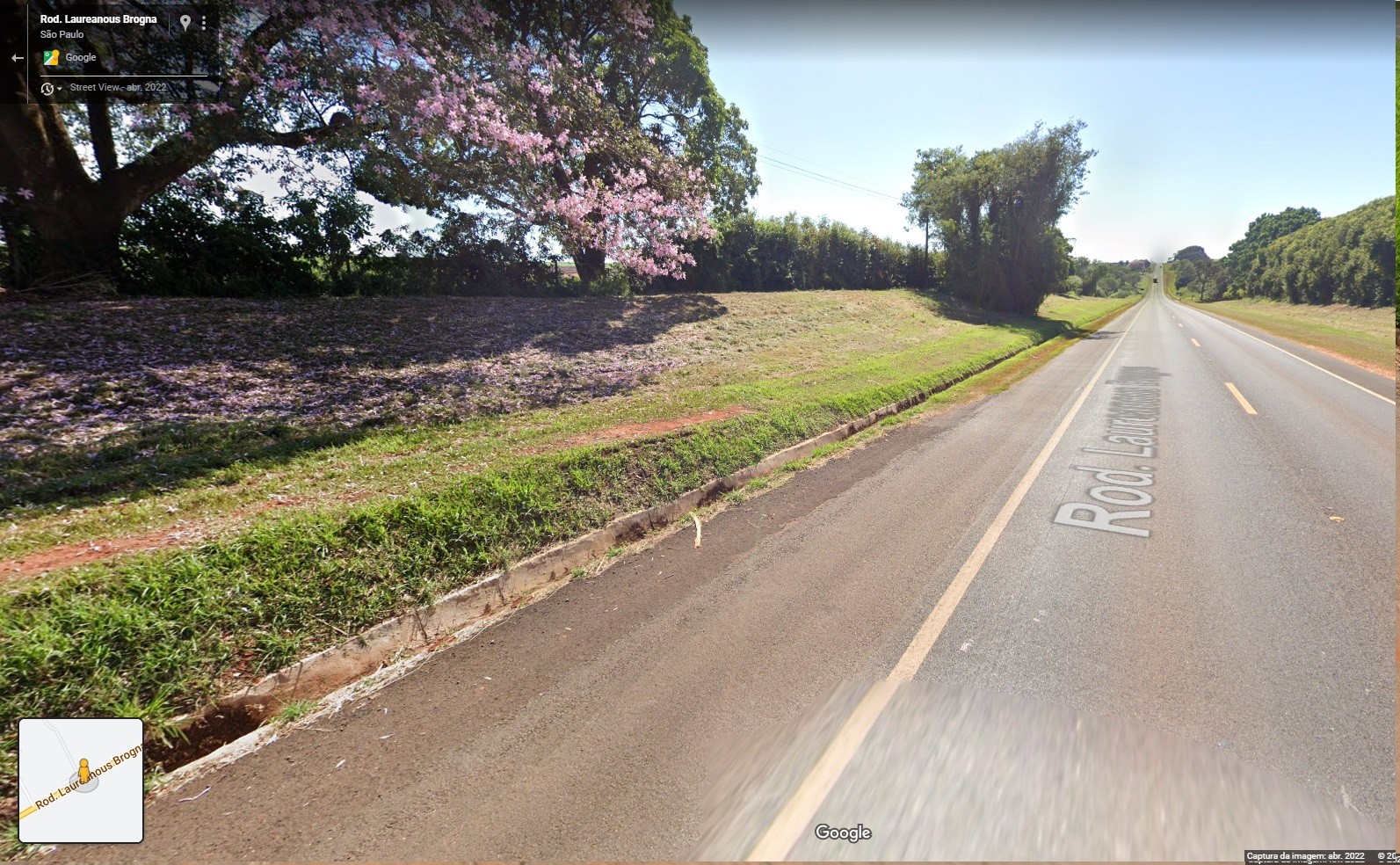
In the highways we ride in the shoulders. They don't have cracks or potholes, but also don't have the same asphalt as the main lanes, maybe it doesn't show in the picture, but it's a really rough texture. I think will be almost a tie between 28 and 32+ in speed, but the 32+ will be much more comfortable and a lot better in a lot of other places.

Yeah, when I talk "wider" is something close to 32. But I think some really bad places or more recreational riders may benefit from 40-45 too.
Some pictures of the places I ride. I believe ~32 is a sweet spot for all the factors, but I'll soon test 35. I have used 700x45, but it's a bulletproof touring tire that don't serve much as reference in speed.
1. It's an avenue with great asphalt, that smaller tires are ok and should be a little faster, but it's not worth it considering all the other places.
2. It's a sector with small imperfections that don't look like much (the red circle), but my as* and hands felt every one of them for years with 700x23 at 120 psi. I believe wider tires are faster and way better in places like this, that makes up a large portion of the city.
3. A small sector with really bad potholes. I don't train in this place, but I need to cross it to complete a really great circuit. Even wider tires won't be ideal, but allow me to cross this with dignity.
4. A highway. We ride in the shoulders, they don't have potholes or cracks, but it's a different asphalt from the main lines. Maybe don't show in the picture, but they have a really rough texture. I believe will be almost a tie between 28 and 32 in speed, with the 32 being much more comfortable and way better in a lot of other places.
psi wrote:
"All the results I've seen on BRR confirm this, with most gravel tires significantly slower than road. ...
I think the problem with wide tires that no one mentions is the fact that the contact patch is bigger. You can corner on rails with 40mm tires, but I think that's part of why they roll slower. You have more sticky rubber interfacing with the pavement."
thumper88 wrote:
First, the contact patch is exactly the same size if the narrow and wide tires are properly inflated for their volume and the weight of the rider and bike. It’s just a different shape patch. This isn’t obvious, but it is fact and it is well-known among actual tire experts, be they automotive or bike. Straight up physics.
thumper88 wrote:
The thing about tire width is you can definitely overdo it. Or UNDER-do it on a gravel course.
It’s an art figuring out the right way to go for a given level of gnarliness on the gravel parts of a course and the gravel/pavement ratio, the amount of climbing, mud etc.
Just deciding to permanently stay wide or go narrow doesn’t make a lot of sense.
psi wrote:
Based on actual measurement of car tires that statement appears to be false. It seems that tires are more than just balloons and the contact patch is greatly determined by the shape and construction of the tire, rather than just the load on it.
"Contact patch pressure is constant and equal to air pressure? No, not even close. Wide tires have a greater contact area? From this data it appears very likely. Which would mean the "wide tires are softer and therefore give more grip" argument is bunk. The contact patch is bigger, and the contact patch pressure is lower."
https://www.enginebasics.com/Chassis%20Tuning/Tire%20Contact%20Patch.html
When you install wider tires without changing anything else, the size of the tire's contact patch (i.e., the rubber touching asphalt) stays relatively constant. That size is based on a tire's overall diameter, inflation pressure, and the weight acting on it. Installing fatter tires widens the patch, but it also shortens it front-to-back. Because of this, cornering gains can be offset by diminished straight-line traction, including braking and hydroplaning resistance. The increased mass and friction can also translate to slower lap times and a drop in fuel economy.
psi wrote:
Agreed.. I did a gravel race a couple of months ago and I just ran the 35s I had mounted at the time. I had run the same tires at RPI and been completely fine so I thought they'd do ok. Turns out the course was on some seriously rough roads some of which it'd be hard to get anything but a 4x4 through. I got beat to hell on those 35s and was really wishing I had taken the time to mount my 40mms.
But I'm not totally convinced on gravel the wide tires actually make you faster. I think they save you from getting beaten up, but I've read alot of reports of people moving to 650B and 47mms and going measurably slower over a course.
Our tires are only providing maybe 10 or 20mm of suspension. At the point of really rough terrain there is gonna be a ton of vertical deflection of the bike/rider whether you run a 40 or 60mm tire. Look at XC mtb racing for example. They are running some of the narrowest tires of all mtb and sometimes hardtail. They are clearly not that worried about bouncing around hurting their speed but are concerned with RR and weight of wider tires.
thumper88 wrote:
This being the internet, any sort of misguided information can always be found, or something worded too vaguely that sounds like it supports bad physics.
Yes the construction of the tire comes into play....you can definitely make a width and carcass that just is nothing BUT contact.
But if you control for similar construction, my statement is correct and that’s what we’re trying to do here.
From a much better source, Road & Track:When you install wider tires without changing anything else, the size of the tire's contact patch (i.e., the rubber touching asphalt) stays relatively constant. That size is based on a tire's overall diameter, inflation pressure, and the weight acting on it. Installing fatter tires widens the patch, but it also shortens it front-to-back. Because of this, cornering gains can be offset by diminished straight-line traction, including braking and hydroplaning resistance. The increased mass and friction can also translate to slower lap times and a drop in fuel economy.
psi wrote:
So if that is true, why wouldn't dragsters use incredibly narrow tires to maximize their longitudinal contact patch for the most grip when accelerating? They don't need to steer at all, only accelerate and brake. Yet they use a much wider tire than normal cars ..

After the car launches, inertia grows the tire to as much as 38 inches in diameter, simultaneously lengthening and narrowing the contact patch. This effectively lets the final-drive ratio grow taller for higher speeds and reduces rolling resistance as the vehicle hits terminal velocity.
psi wrote:Just think about it in reverse to get a sense of it. Say you're trying to equalize the contact patch/grip on two wheels. One is 700c x 20mm the other is 700c by 20 meters. You're not going to be able to pump the 20 meter wide tire up enough to be able to get the contact patch to be as small as the 20mm one. It just would be impossible to get the tire to shrink it's patch dimensions in the forwards/backwards direction enough to compensate for the massive increase in width it has and equalize the patch area with it's skinny cousin.
thumper88 wrote:
Why do people keep insisting facts aren’t facts? Read the Road and Track passage again. Extraordinary hypotheticals just aren’t pertinent to the differences between a 33m cross tire and a 44mm gravel tire.